even heroes are human
Echoes of a Quiet Act is a multidisciplinary performance about imperfect courage. About the small, often invisible choices that shape history. It tells the story of Noor Inayat Khan not as a distant hero, but as a human being: uncertain, sensitive, clumsy – and still choosing to act. Because heroism rarely arrives fully formed. It often begins quietly. And its echoes travel further than we might imagine.
Blending harp, electronics, spoken word, and theatrical elements, the work unfolds as an immersive journey into Noor’s inner and outer worlds. Her life reveals a striking tension between spiritual devotion and the realities of war, between silence and resistance.
A layered and intimate portrait
Through fragments of letters, Sufi teachings, and historical transmissions, the performance weaves a layered and intimate portrait. Music forms the core of the work, combining original compositions with soundscapes and references to Noor’s multicultural heritage. Electronic textures, radio signals, and Morse code evoke the urgency and fragility of her wartime role.
At the same time, the performance reveals Noor not only as a hero, but as a deeply human figure – vulnerable, resilient, and unwavering in her values. Rooted in both history and personal connection, the project resonates with contemporary questions of identity, freedom, and cultural understanding.
Open Call
Echoes of a Quiet Act act extends beyond the stage through an Open Call, inviting voices of today to enter into dialogue with Noor’s story. The project gathers personal reflections – small acts, inner decisions, moments of courage – creating a living layer within the performance where past and present meet.
Can you recall a moment when you stayed true to your moral compass under pressure? And perhaps a moment when you didn’t - what influenced your choice?
A symbol of quiet courage
Noor Inayat Khan was born into a world where music, spirituality, and storytelling were inseparable – the daughter of Hazrat Inayat Khan – an Indian Sufi teacher and musician – and American mother. Rita Baker. From an early age, she was surrounded by a philosophy that emphasised harmony, compassion, and inner listening, shaping a sensibility that would remain at the core of her life.
Raised between cultures, she grew up in France and England, embodying a rare and natural synthesis of East and West. Her upbringing was both cosmopolitan and deeply rooted, moving between languages, traditions, and ways of seeing the world. Gentle by nature and profoundly committed to nonviolence, Noor followed a path of music and writing, composing and telling stories inspired by Sufi philosophy. She studied child psychology, wrote children’s tales, and dedicated herself to the harp – an instrument she deeply loved. In Paris, she studied with the renowned harpist Henriette Renié and pedagogue Nadia Boulanger, placing her within a rich and refined musical lineage.
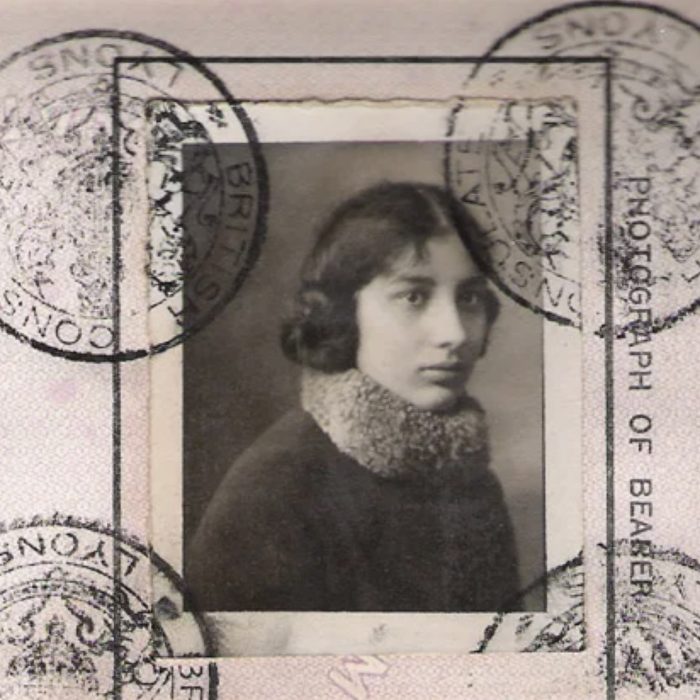
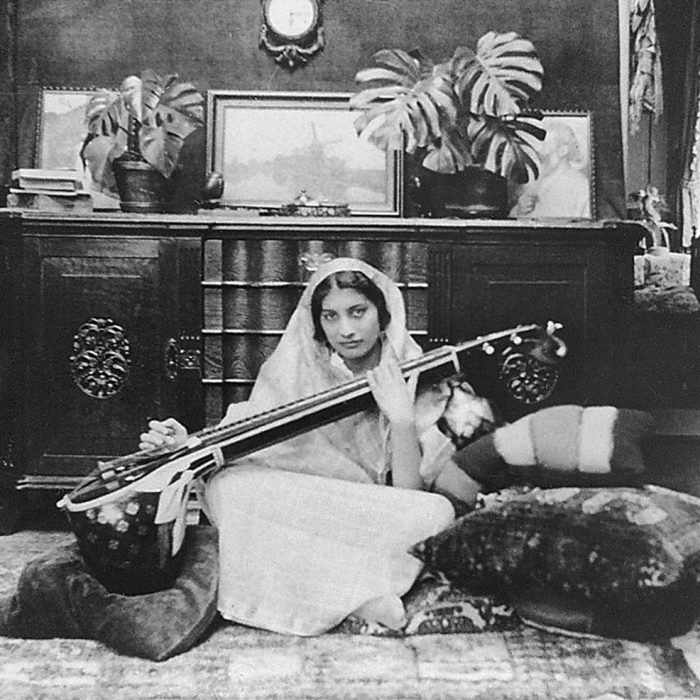
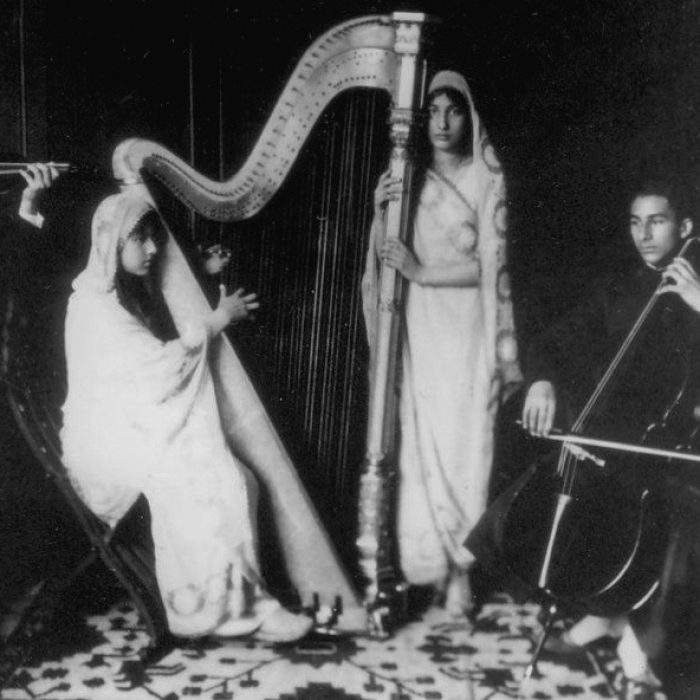
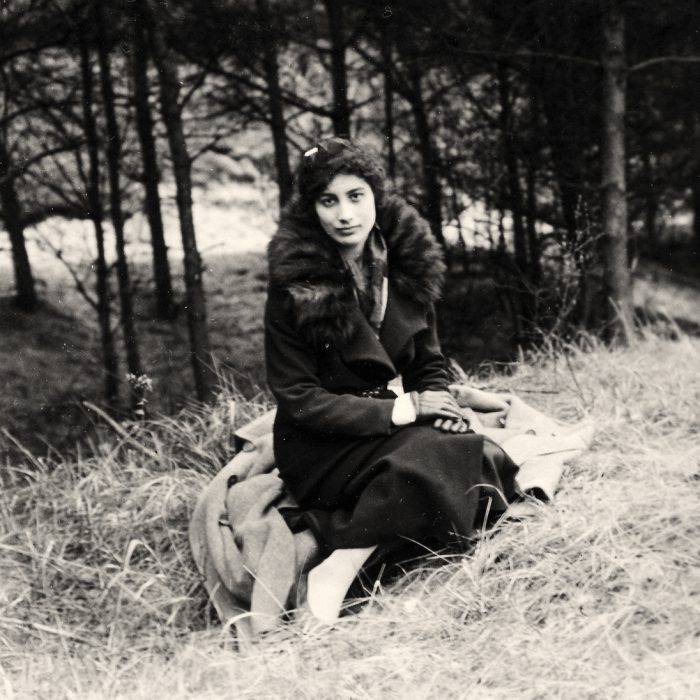
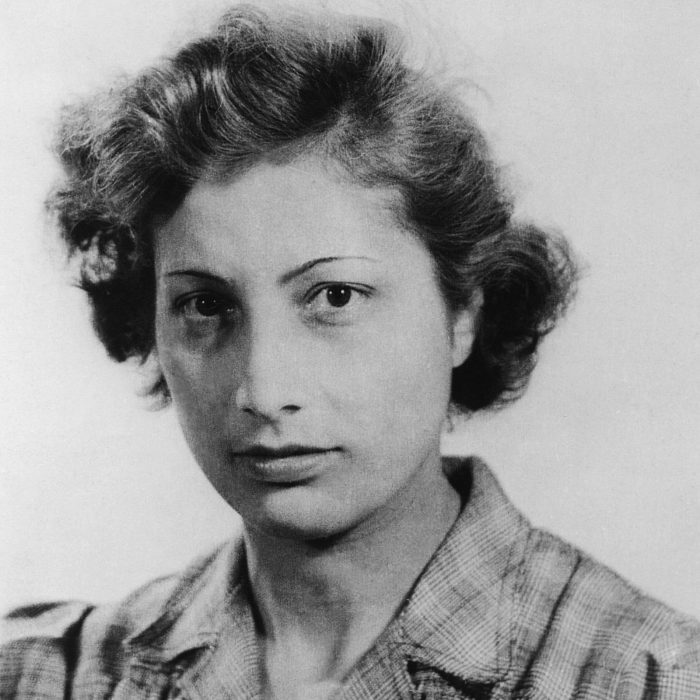
Her life, at first, appeared to be unfolding along a quiet and contemplative path. Yet already at a young age, themes of responsibility and sacrifice surfaced. Noor was only thirteen when her father – by then a widely respected mystic and teacher, travelling the world with his music and teachings and drawing students and admirers to Suresnes, where the family lived in Fazal Manzil – died unexpectedly during a journey to India. The loss deeply affected the family. While her mother withdrew into grief, Noor stepped forward, taking care of the household and her siblings with a quiet sense of duty.
Another moment called upon her capacity for surrender. Noor had been expected to marry an Indian man with whom she corresponded warmly and whom she anticipated building a life with. Yet after a family visit to India, her mother – now without the support of her husband – decided against the marriage, unable to bear the thought of losing her eldest daughter as well. The marriage was called off. Noor accepted this decision, though what it meant to her inwardly we can only imagine.
Yet beneath this gentleness lay a strong moral clarity and a deep sense of responsibility – qualities that would be called upon in ways she could never have anticipated.
When the Second World War broke out, Noor made a decision that would radically alter the course of her life. In the face of growing oppression and violence, she chose not to remain on the sidelines, but to act. While some of her family fled south, Noor and her brother Vilayat, to whom she was very close, made their way to England. For her, not acting in the face of injustice felt like a choice in itself. The teachings of her father – centred on harmony and peace – also meant, to her, standing up for what is right.
Despite her pacifist beliefs, she felt compelled to contribute to the resistance against tyranny, guided by an inner conviction that transcended fear. She joined the Women’s Auxiliary Air Force (WAAF) as a wireless operator, determined to support the war effort. Her linguistic skills and technical aptitude soon drew attention, and she was recruited into the Special Operations Executive – a secret organisation established under Winston Churchill to conduct espionage and resistance activities in occupied Europe.
She trained as a wireless operator, one of the most dangerous roles in the field. During her interview in London, she was told that the average lifespan of an operator in occupied territory was no more than six weeks. Still, she chose to go. Aware of the risks, she prepared letters in advance for her mother, to be sent over time so as not to cause alarm. Sent to Paris under the codename “Madeleine,” she entered a world of secrecy, tension, and constant risk.
In Paris, Noor became the sole remaining radio link between the occupied city and London, transmitting vital messages under the ever-present threat of detection. Each transmission required her to set up a heavy suitcase transmitter – often weighing over fifteen kilos – and extend a long antenna across rooftops or hidden spaces. Wireless operators were relentlessly hunted, yet she continued her work for months, long after others had been captured. Each message carried the risk of betrayal; each moment demanded absolute presence and courage.
Despite repeated opportunities to escape, and even direct orders from London urging her to return, Noor refused to abandon her mission. Her sense of duty – quiet, unwavering, and deeply internal – guided her choices. She did not act out of heroism in the conventional sense, but from a profound alignment with her values.
Eventually betrayed, she was arrested by the Gestapo. She endured months of imprisonment, interrogation, and isolation, yet refused to reveal any information. Even under extreme pressure, her integrity remained intact. Those who encountered her spoke of her dignity, her strength, and her refusal to compromise.
In 1944, Noor Inayat Khan was executed in Dachau. Her final word is said to have been “Liberté.”
Today, Noor stands as a symbol of quiet courage – a life that challenges our understanding of resistance, strength, and action. Her story is not only one of extraordinary bravery, but of inner conviction: a reminder that even the most gentle of lives can hold immense power, and that small, unseen acts can resonate far beyond their moment.
Spy Princess Shrabani Basu nam.ac.uk
Code Name Madeleine Arthur J Magida arthurmagida.com
Dream Flowers The collected works of Noor Inayat Khan arthurmagida.com
Noor un nisa Inayat Khan, Madeleine Jean Overton Fuller bit.ly/4n5eEVM
About us
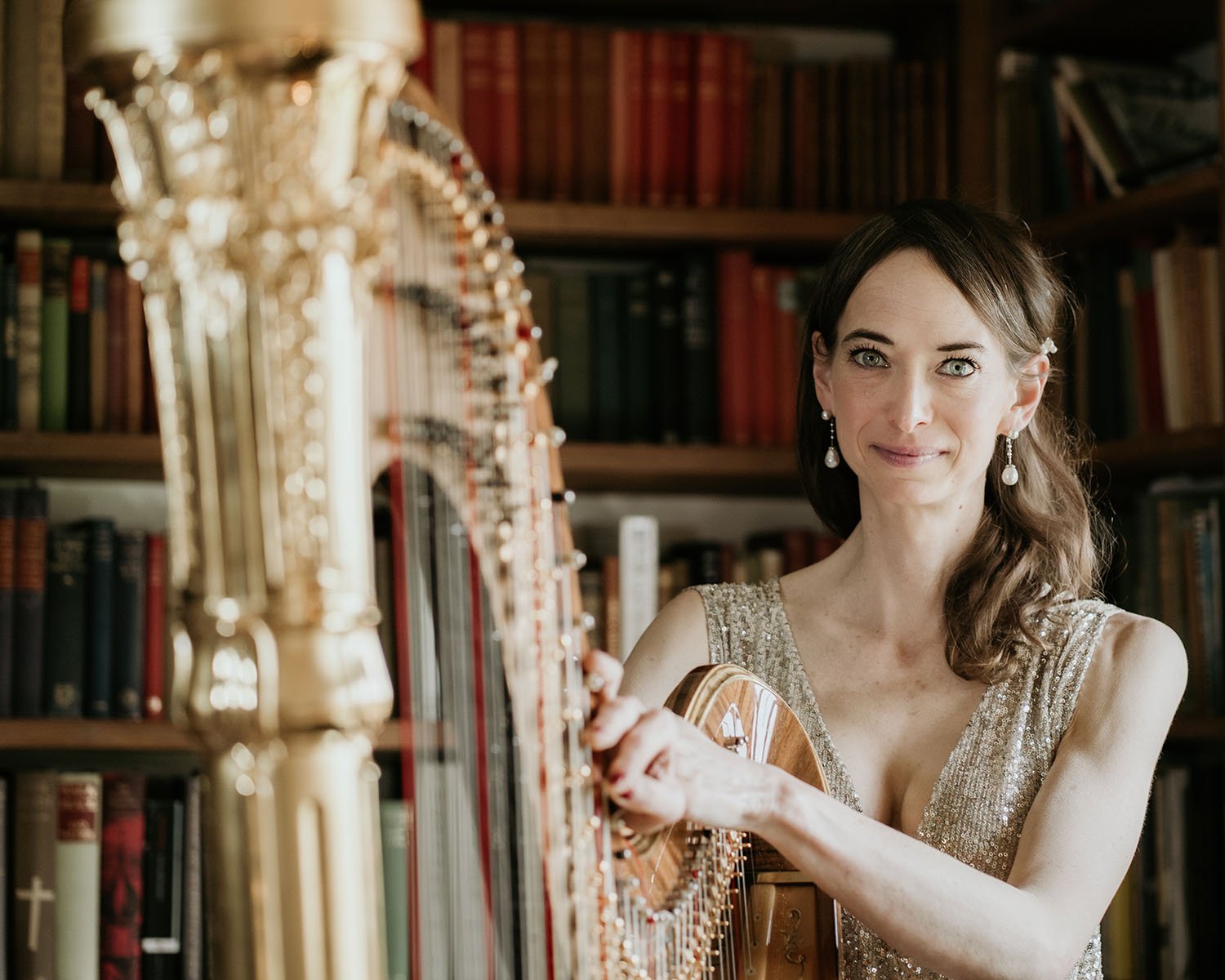
Gwyneth Wentink is an artist whose work moves beyond traditional categories, bringing together different worlds through sound, performance, and interdisciplinary curation. Her work resists easy categorisation- inhabiting the space where classical tradition meets contemporary thought, and where acoustic sound encounters the digital and the elemental.
She has performed on the world’s leading stages, including Carnegie Hall and Lincoln Center in New York, the Royal Albert Hall and Royal Opera House in London, and the Konzerthaus in Berlin and continues to combine an active performing life with an increasing focus on composing and curating new work.
Alongside her life as a performer, she is a sought-after teacher, giving masterclasses internationally and serving as a visiting guest professor at the Conservatory of Amsterdam and the Royal Academy of Music in London. Her curatorial work unfolds through Foundation Harp and Springhead Constellation, where she develops interdisciplinary projects that place music in dialogue with history, science and allied disciplines.
Her teaching combines technical rigour with a broad artistic perspective, and encourages curiosity, presence and awareness of the inner life of musicians.
Today, composing stands alongside performance as a core part of her work, and she regularly receives new commissions. Alongside her artistic work, Gwyneth is a certified coach and yoga teacher.
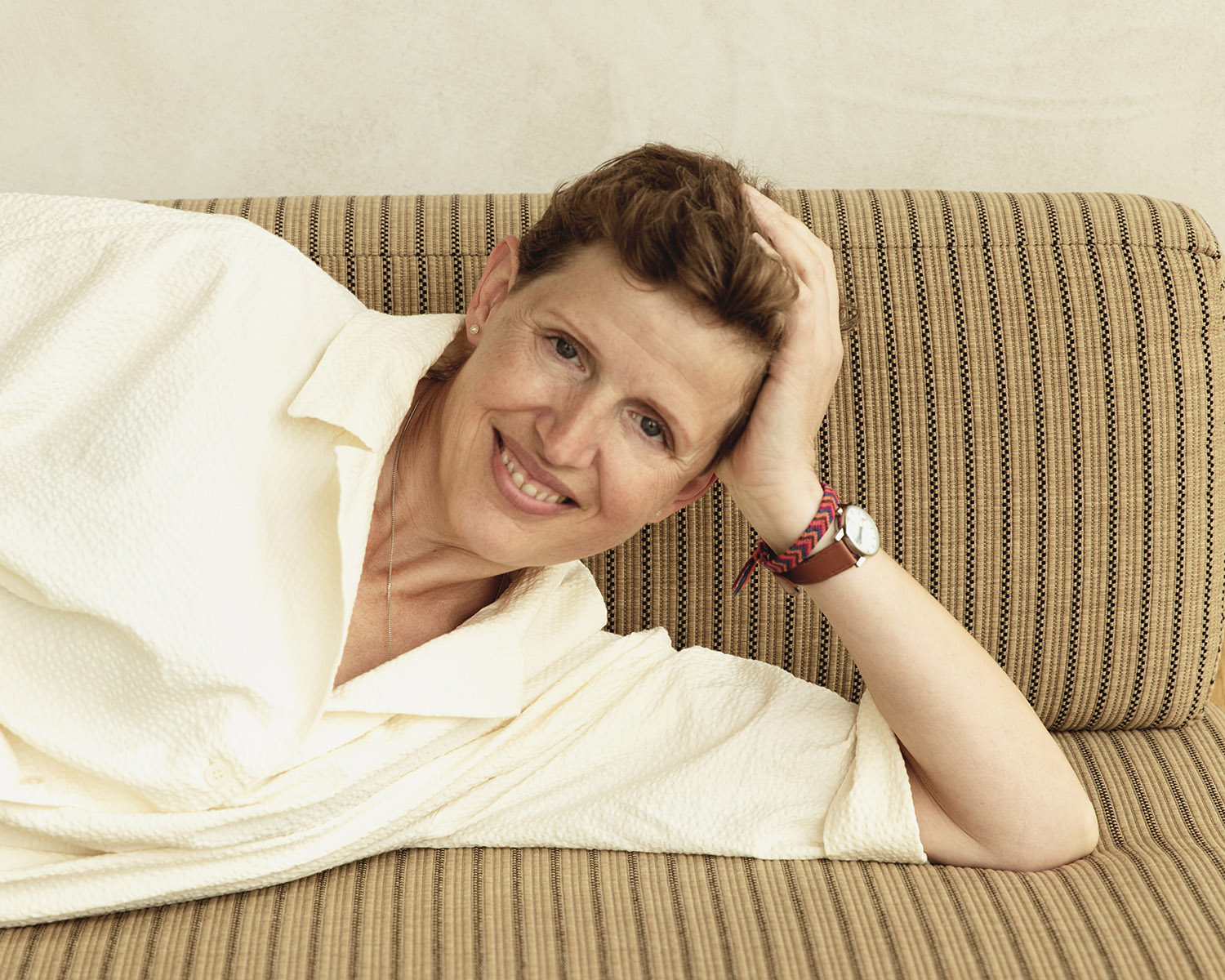
Stage director Cora Burggraaf creates multidisciplinary performances that connect contemporary themes with classical and newly composed music. In 2021 she founded SPINTHOUT (sapwood), an organisation dedicated to exploring the relevance of classical (vocal) music in today’s society. Recent productions include Coming of Age, Inner Voice, Egmont, The Music is Present and Miroir de peine et d’amour, presented at festivals such as Festival Boulevard, O. Festival, Wonderfeel and Oranjewoud.
As a mezzo-soprano, she performed internationally at leading houses including the Royal Opera House (London), Bayerische Staatsoper (Munich), Dutch National Opera, San Francisco Opera and the Salzburg Festival, working with conductors such as Yannick Nézet-Séguin and Marc Albrecht. Her performing career was shaped by roles such as Cherubino, Hänsel and Stéphano.
Alongside her artistic work, Cora is a dedicated teacher and coach. She runs a private vocal studio and works with students at the conservatories of Amsterdam, Utrecht and The Hague. During the pandemic she co-founded the pl
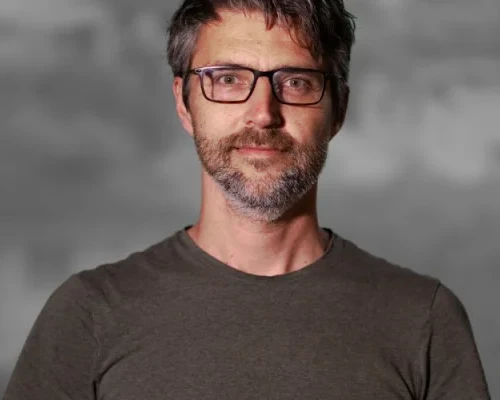
Wouter Snoei (1977, Amsterdam, The Netherlands) is active in the field of electronic and electro-acoustic music as composer, performer, software-developer en teacher. His interest in technology and science combined with a drive to create music brought him to various realms in the world of music. Wouter worked with jazz musicians, as producer of electronic dance music, as sound director performing complex electro-acoustic compositions and as composer, also in music theatre. Together with harpist Gwyneth Wentink and video artist Arnoud Hulskamp he traveled the world for their interpretation of Canto Ostinato. At the Orgelpark (Amsterdam) he composed and helped development of the digital interface for the newly built Baroque organ. Wouter is also part of the Game of Life foundation, developing and managing a spatial audio system with many loudspeakers (WFS). Furthermore Wouter composed for and worked with Slagwerk Den Haag, Silbersee Opera, Calefax Reed Quintet, ASKO/Schoenberg Ensemble, Theater Sonnevanck, NTGent and many others.
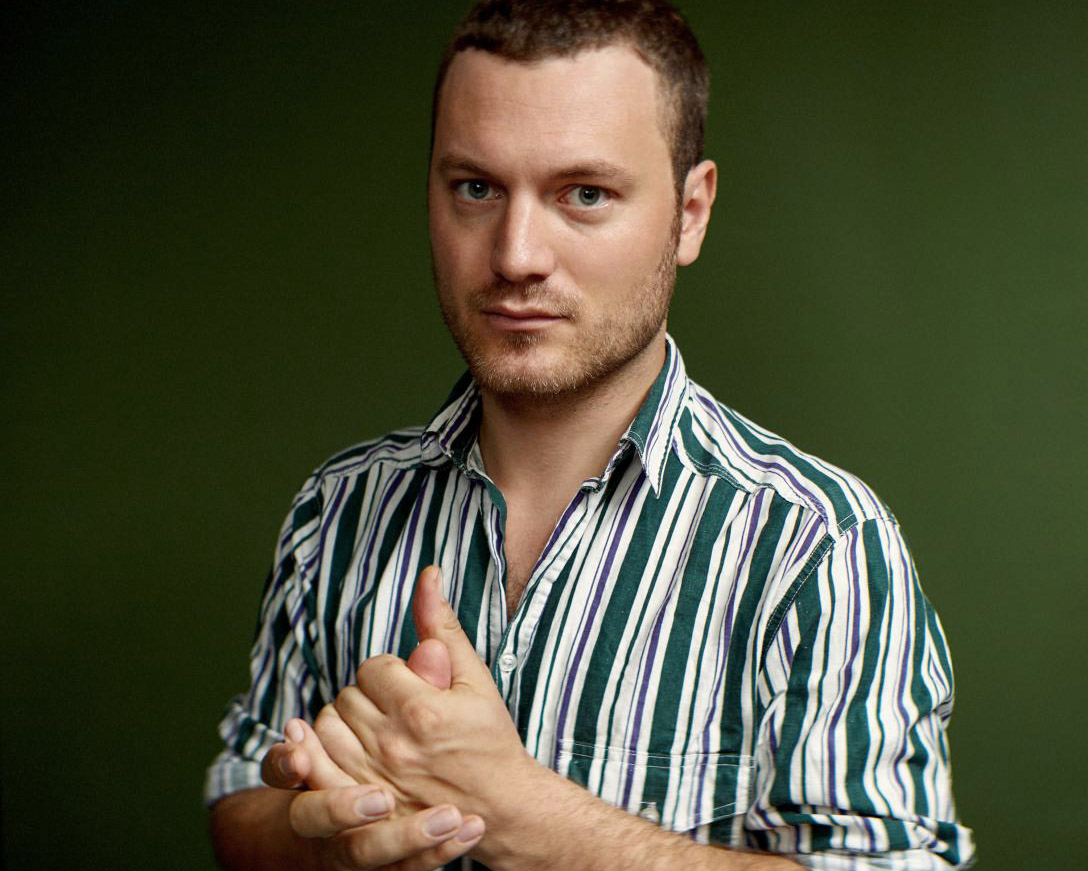
Han Ruiz Buhrs (1989) is, more than a set designer, above all a spatial thinker who likes to work outside of the theatre. The use of space and the spectator’s experience are central. This is his artistic starting point and often translates into an idiosyncratic placement of the audience and a grand gesture as an intervention in the space. In 2019 he completed his Scenography studies at the Amsterdam University of the Arts. His graduation work was twofold: in addition to the text theatre piece Shopping and Fucking(Mark Ravenhill), he created a musical performance installation in a 900 square meter warehouse: Der Bau. Since then he worked for de Toneelmakerij on location (Hamlet), built the multimedial interactive installation Orandakan 2020 for the Amsterdam University of the Arts and contributed to the online performance Woyzeck, een waanvoorstelling.

Colophon
Team:
Gwyneth Wentink harp, composition, artistic leader
Cora Burggraaf stage director
Wouter Snoei composition, sound design
Han Ruiz Buhrs scenography
Hans van der Woerd webdesign
With thanks to:
Mahmood Khan Youskine, Paul Ketelaar, Emily Klion, Hind, Sufi Suresnes, Center for Universal Sufism
With the generous support of:
Stichting Harp
Fonds Podiumkunsten
Prins Bernhard Cultuurfonds
Amsterdams Fonds voor de Kunst
Nationaal Muziekinstrumenten Fonds



 English
  Dutch
Dutch